Welcome Back To Toadshade's Fall Plant List!
Event season is once again starting, and the air's got just a hint of crispness to it. The fall season must be about to begin!
Fall's nearly busy as spring here at Toadshade, and we've been hard at work updating the plants available on our website to reflect all the new species of plants that are now available for sale. As gardeners, we all know that plants grow, so although all of Toadshade's plants are propagated and grown right here on the farm, the exact list of species we have available for sale is often in flux. If you've ever been on our website, you're no doubt familiar with our system of marking certain species as 'temporarily' sold out. Well, for the following list of species, the wait is over! This isn't a complete list of what we currently have available (for that, check our website, which is up-to-date with all of the plants we currently have for sale), but it is a list of species that people have been waiting for all summer. Many of these species sell fast, so they're well worth the wait, and as we've mentioned before, fall is an excellent season for planting native species.
Trees and Shrubs
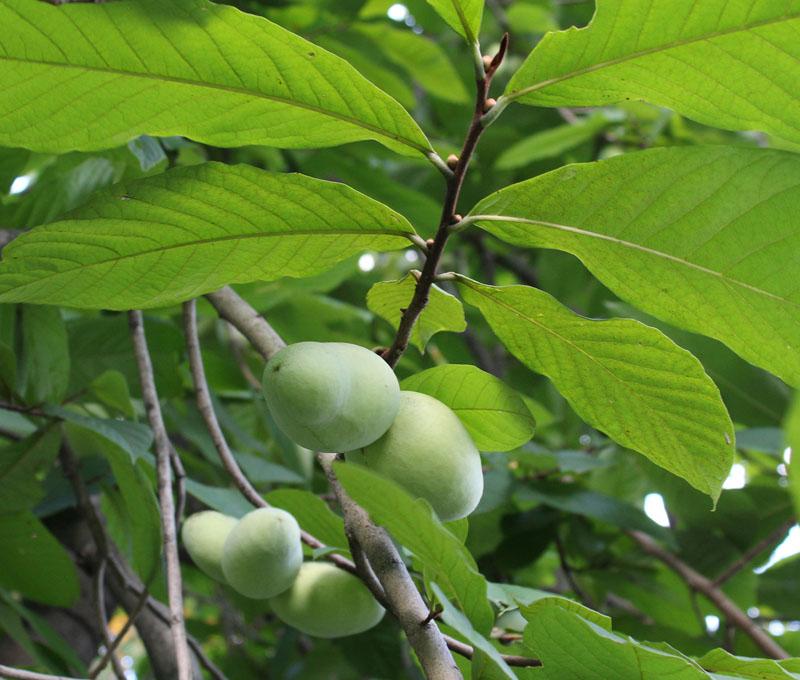
Asimina triloba, Pawpaw: A showy, deer-resistant tree with excellent fall color and large edible fruits (oddly similar to bananas with a hint of strawberry, they can be made into bread, pies, ice cream, or eaten straight as a sort of custard), this species tends to form groves in high-quality woodlands, and is a host plant to the Zebra Swallowtail butterfly.
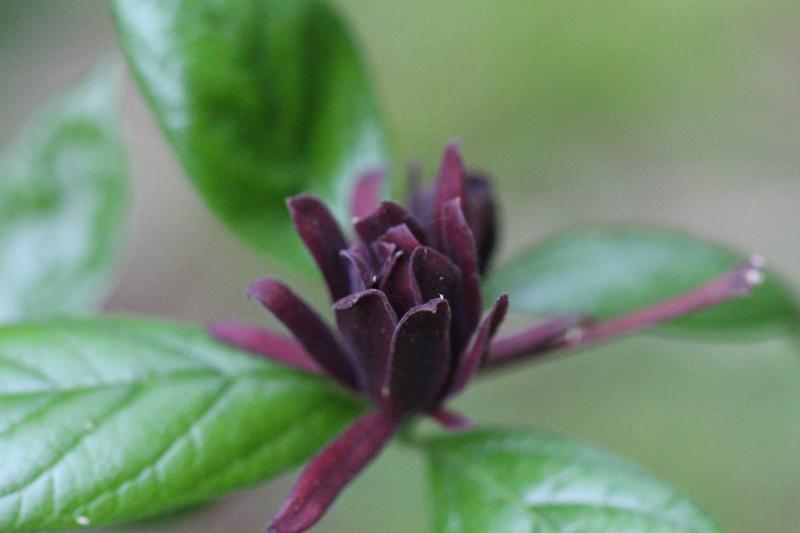
Calycanthus floridus, Carolina Allspice: A dense, midsized deer-resistant shrub with glossy dark green leaves, every part of this plant is fragrant (I think they smell like henna, but they've also been likened to pineapple and strawberries), especially the showy maroon flowers it produces in the spring. Resistant to most insect problems and diseases, it tends to form dense thickets over time, making it excellent for borders.
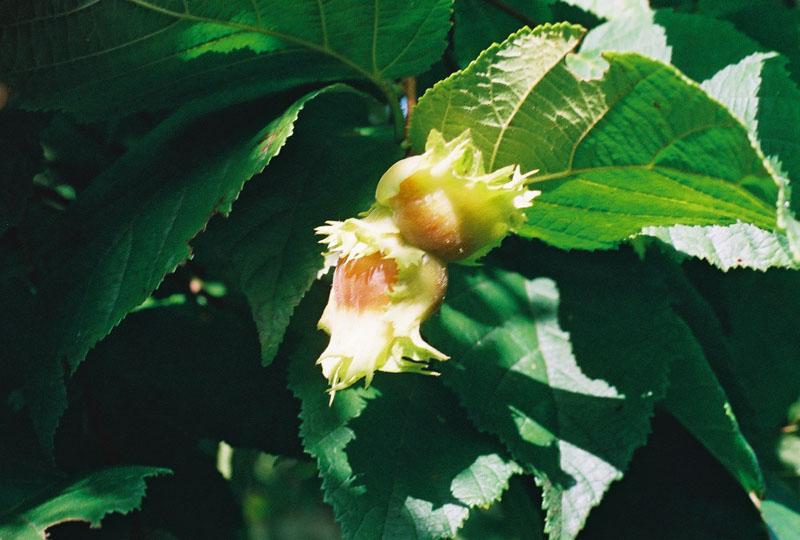
Corylus americana, American Filbert:
Our native 'hazlenut', this species is very fun to grow. Clay tolerant and tolerant of heavy pruning, with extremely high wildlife value and incredibly tasty nuts wrapped up in papery husks (if you can beat the squirrels to them!).
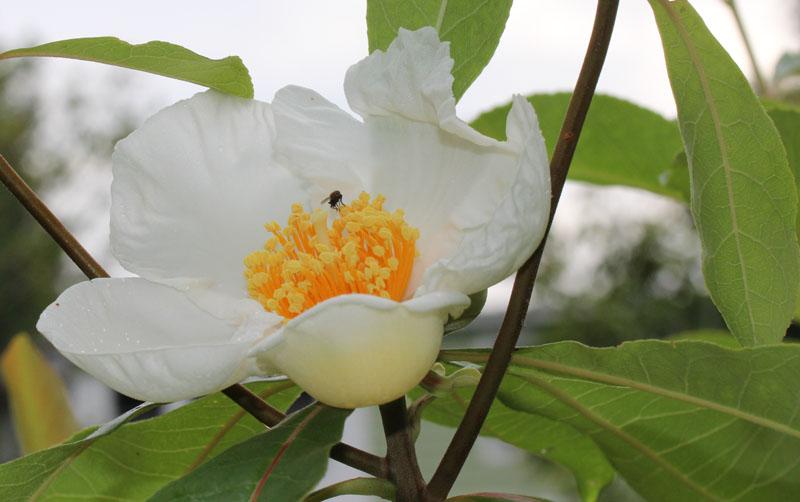
Franklinia alatamaha, Franklin Tree: They're back! This species has been extinct in the wild since 1803, and only still exists because of some seeds collected in 1773 by John Bartram and his son. A species with a story, certainly, but also a very beautiful tree with large and showy white flowers that appear throughout the summer, and great fall color. These plants are also host to Promethea Moth caterpillars!
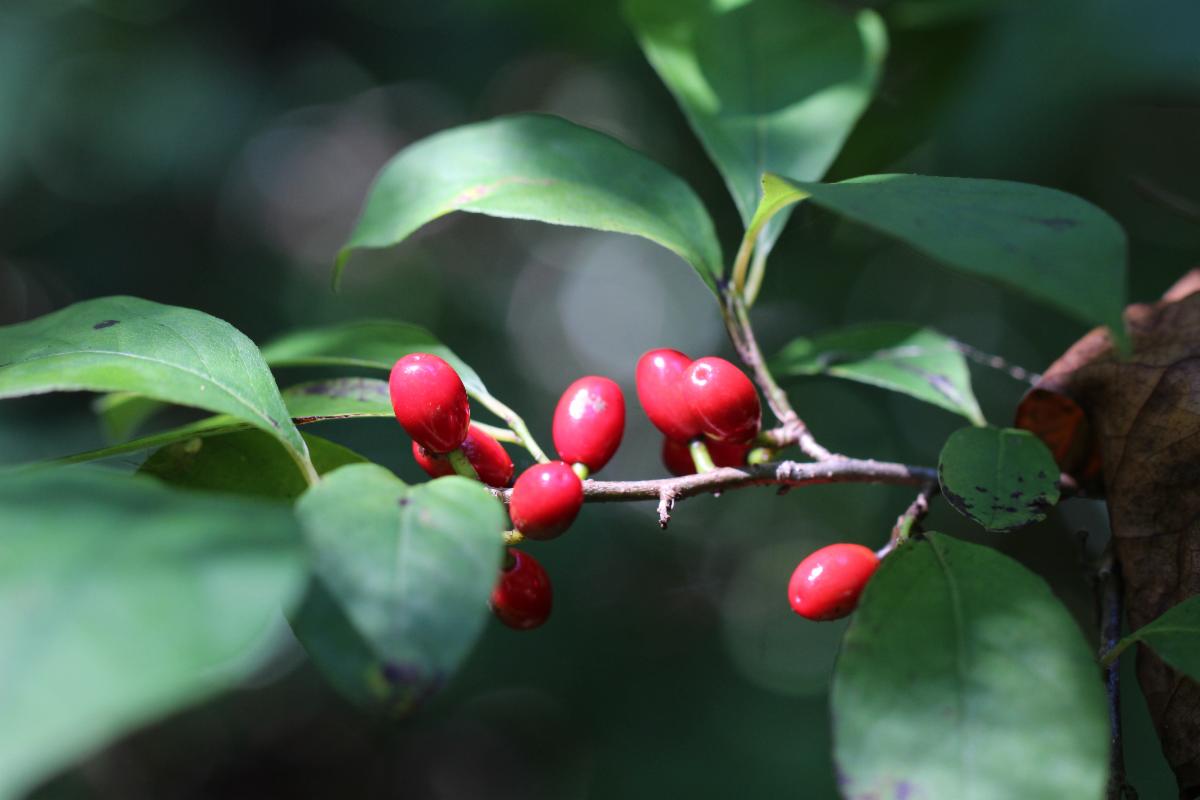
Lindera benzoin, Northern Spicebush: Beloved by birds, foodies, butterflies, and hikers, this is a particularly fun one. An early-blooming spring plant with pretty fragrant yellow flowers, the female plants produce berries that are prized by birds and (once dried) make a great addition to a spice cabinet. The twigs can be made into tea, the fragrant leaves can be rolled up behind an outdoorsman's ears to discourage biting insects, and it's the host plant for the gorgeous Spicebush Swallowtail Butterfly. To top it all off, all of the leaves turn bright yellow in the fall. Truly one of our favorites.
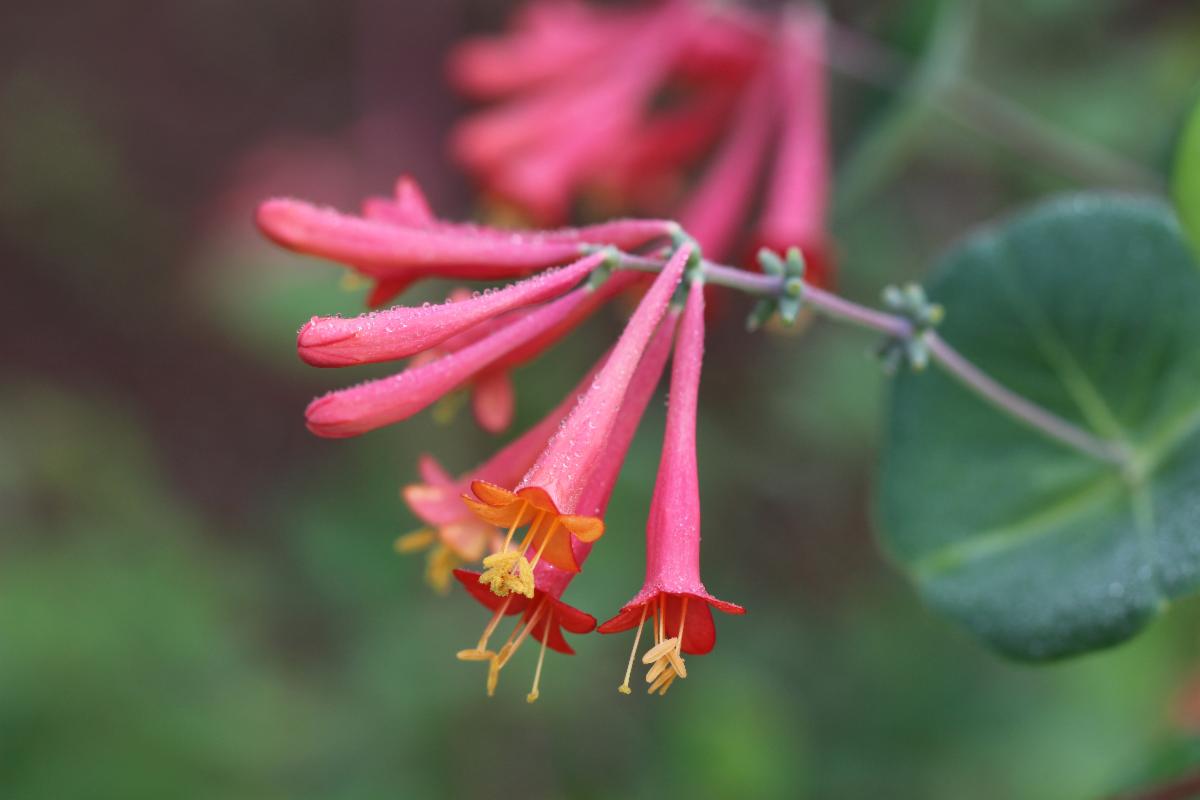
Lonicera sempervirens, Coral Honeysuckle: A beloved bushy, twining vine with a long bloom period (April-September in New Jersey!) and a remarkable popularity with hummingbirds. A classic native plant for use in showy and formal gardens, this is not an aggressive species like invasive honeysuckles, and does not strangle as it climbs like the invasive honeysuckle vines do. It's also a host plant for some adorable species of butterfly and moth, like the Spring Azure and Snowberry Clearwing!
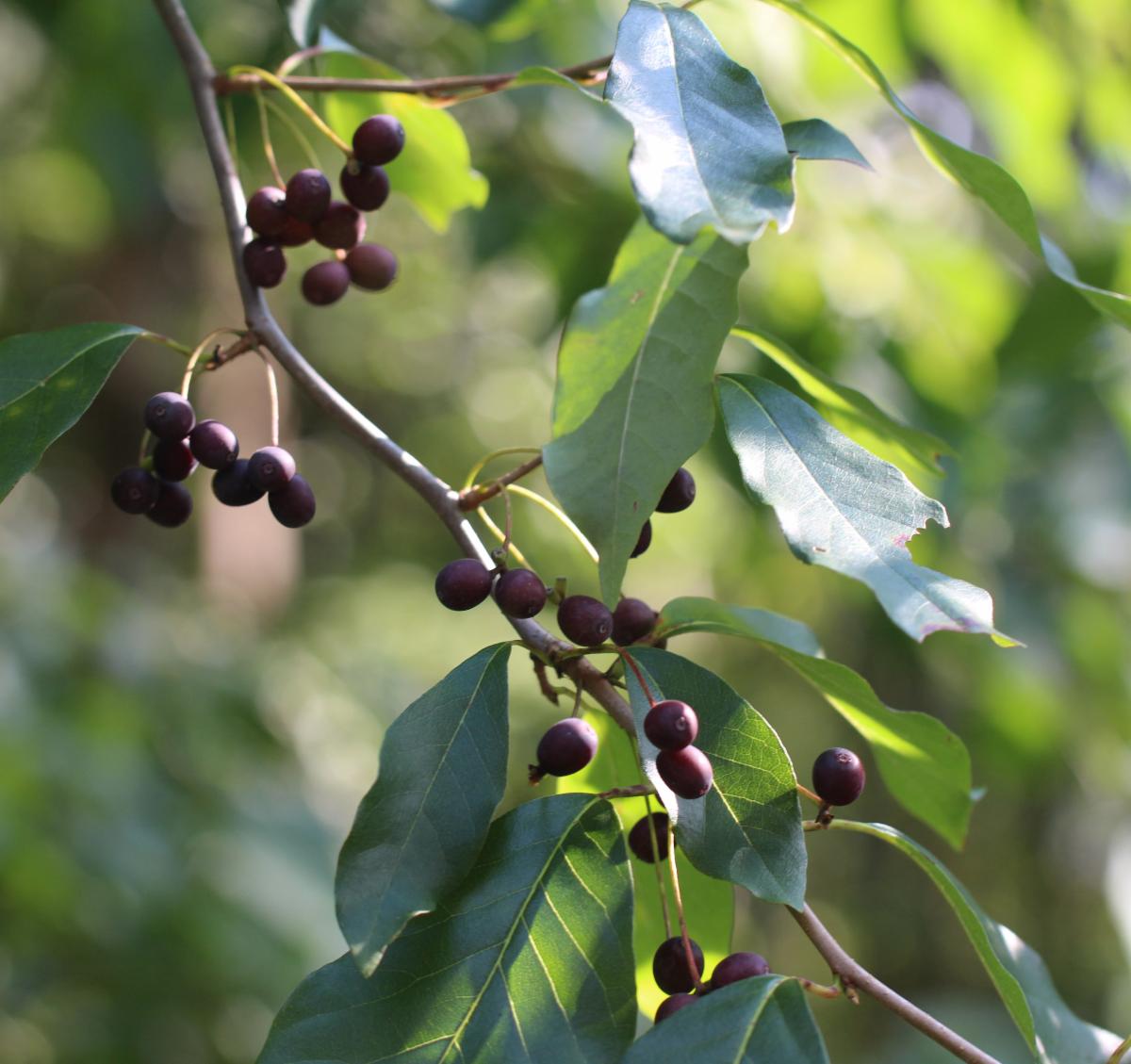
Nyssa sylvatica, Black Tupelo: A beautiful slow-growing shade tree with famously wonderful fall color, this species is tolerant of a wide range of conditions, including clay soil, some salt, occasional flooding, and is also fire-adapted. It's of very high value to bees, and female plants produce fruits that are prized by birds and other wildlife.
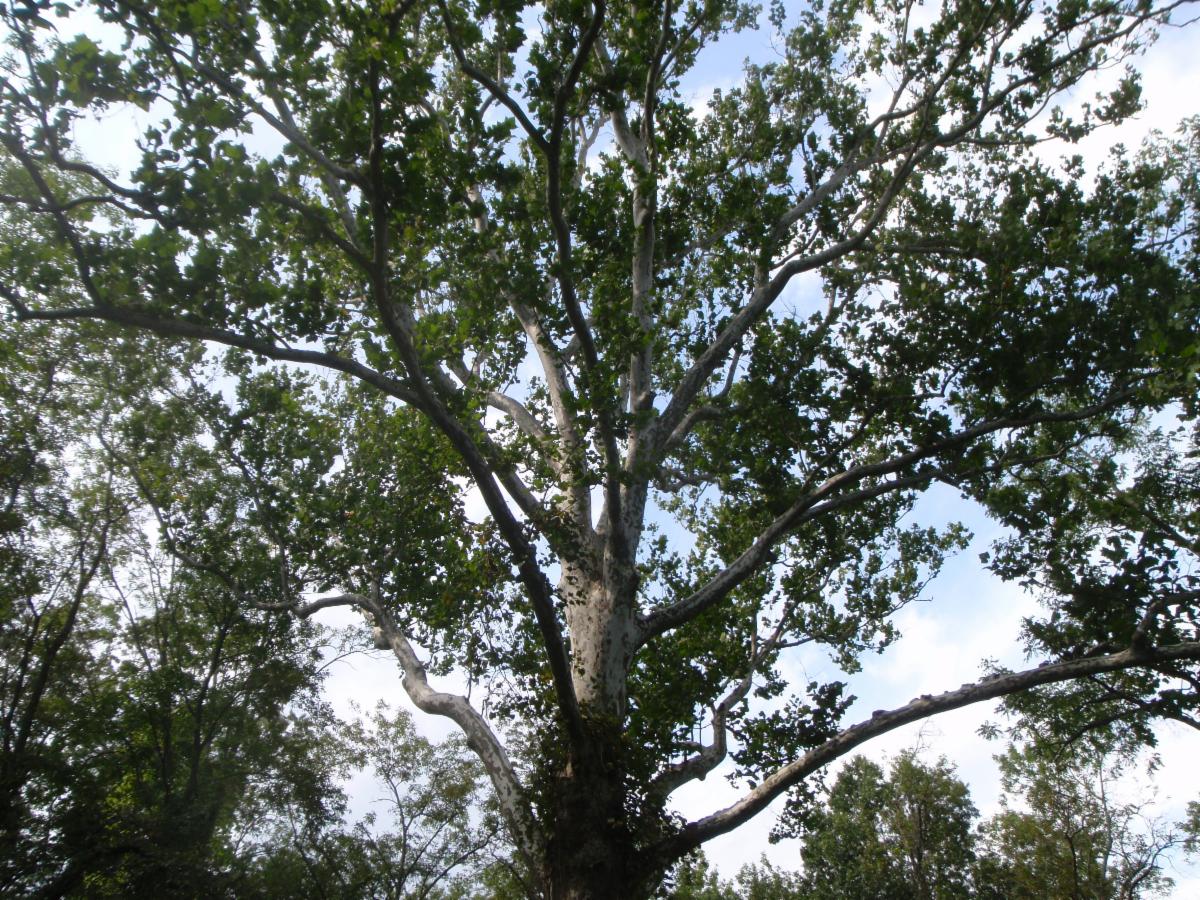
Platanus occidentalis, Sycamore: A stately tree with an open canopy that lends itself to pleasant, dappled shade underneath. This species is often planted in cities due to its remarkable showy silhouette, as well as its tolerance for compacted soil and pollution. It naturally tends to grow along waterways, and is tolerant of occasional flooding, but arguably its most remarkable feature is its pale, showy bark, which make these trees an incredibly beautiful part of any landscape.
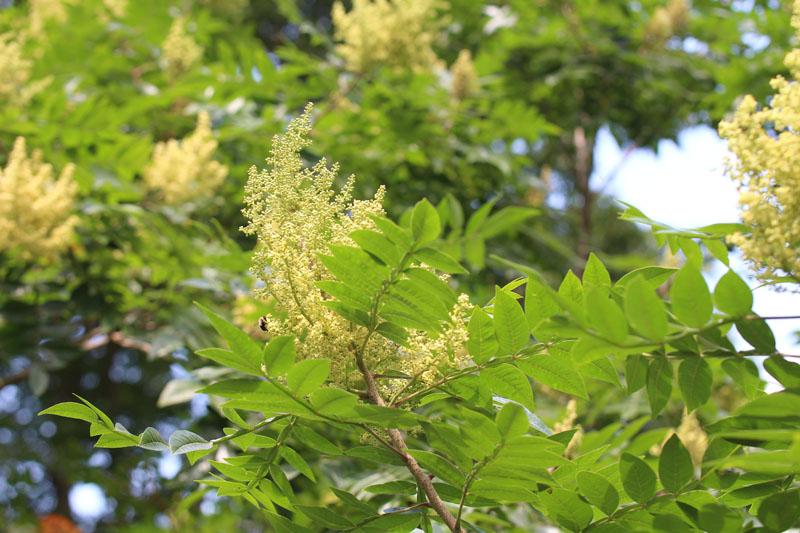
Rhus copallinum var. copallinum, Winged Sumac: A small, often multi-stemmed or thicket-forming tree with glossy leaves that turn a lovely red in the fall, this species is excellent for pollinators and thrives under drought conditions. A remarkably lovely tree for forming attractive and wildlife-benefiting hedgerows in hot, dry areas, they tolerate sand, pollution, rocky, shallow, and compacted soil--they're also a host plant for several butterflies and moths!
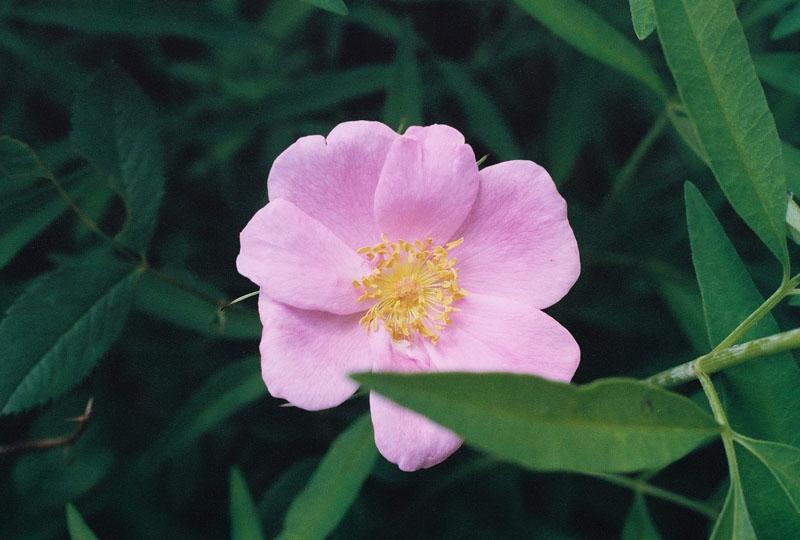
Rosa virginiana, Virginia Rose: A beautiful, fragrant native rose with lovely flowers, excellent fall color, and a tolerance for many diseases and clay soil. Rose hips provide food for many species of bird and wildlife, and the flowers attract many bees and butterflies.
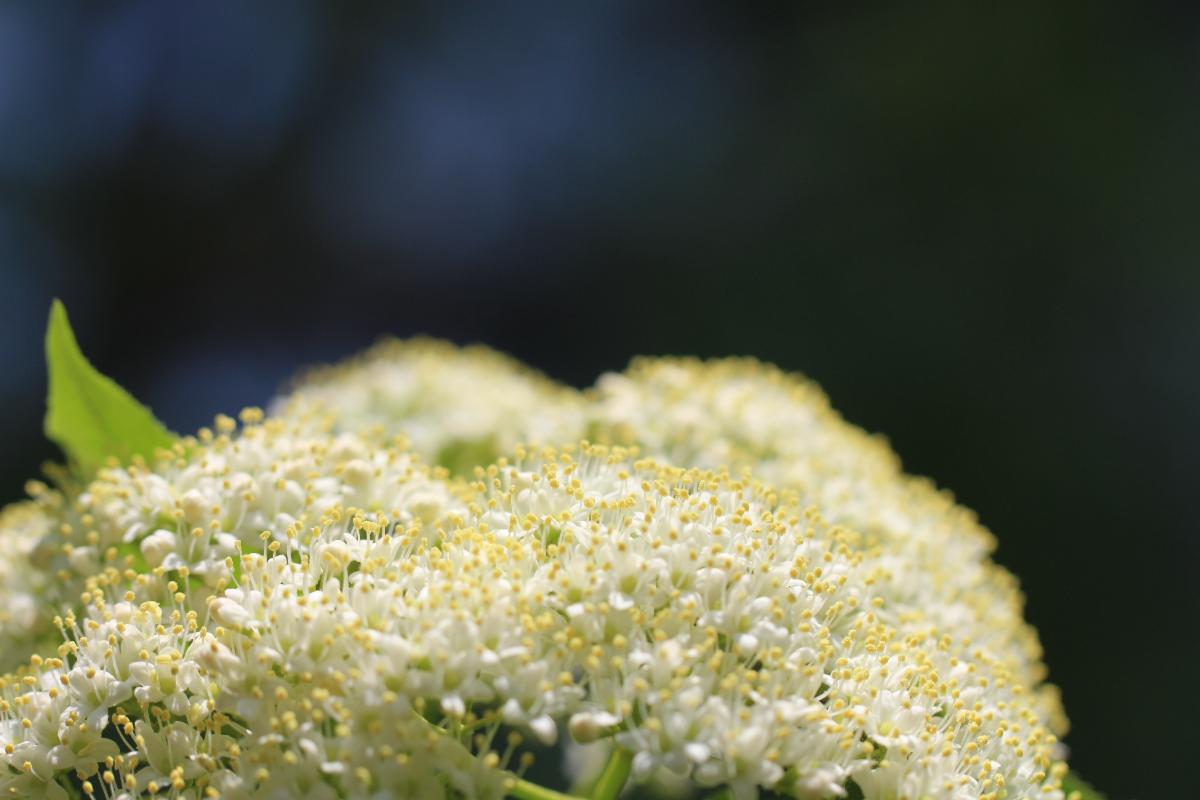
Viburnum lentago, Nannyberry: A tall, showy shrub which supports a dizzying number of native wildlife species. The flowers, beautiful in their own right, are visited by innumerable pollinators, and the berries are eaten by nearly as wide a variety of birds, squirrels, and chipmunks. A great species to plant if you're looking to bring life to your yard.
Wildflowers and Sedges
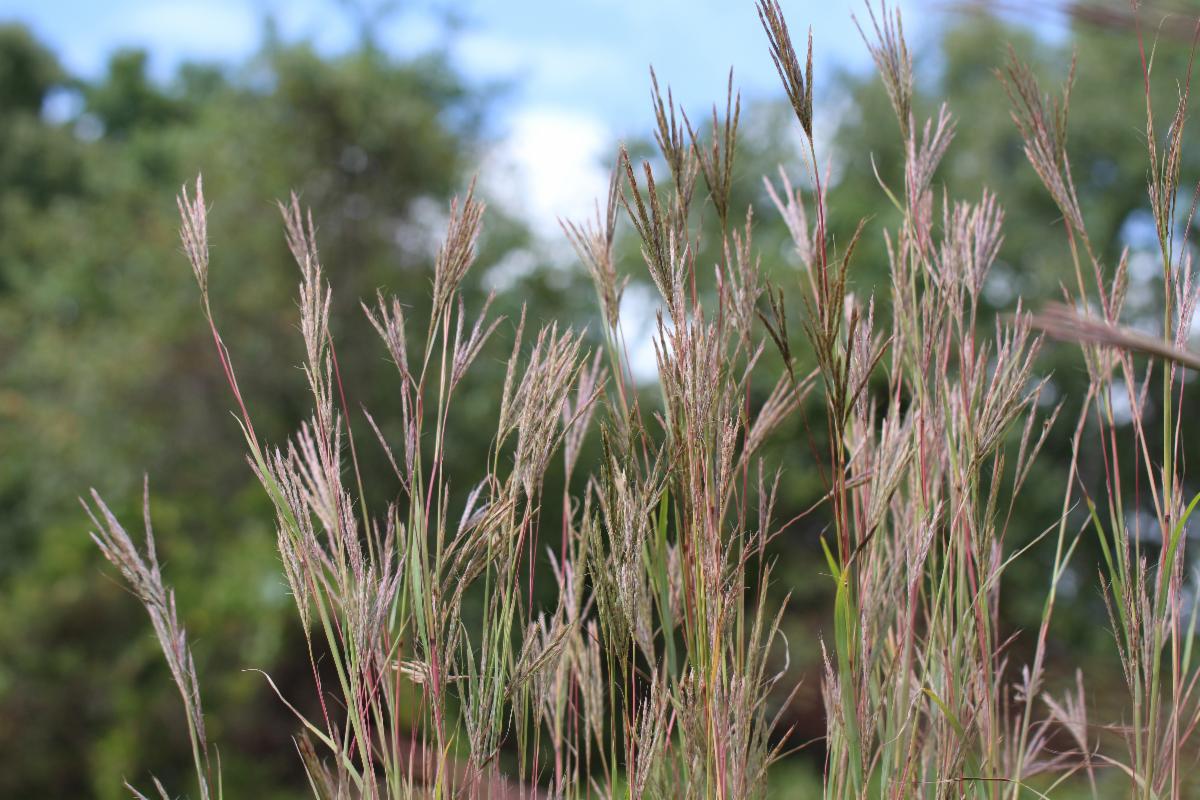
Andropogon gerardii, Big Bluestem Grass: ? A gorgeous and very tall native ornamental grass and butterfly host plant which makes an extremely showy addition to meadows.
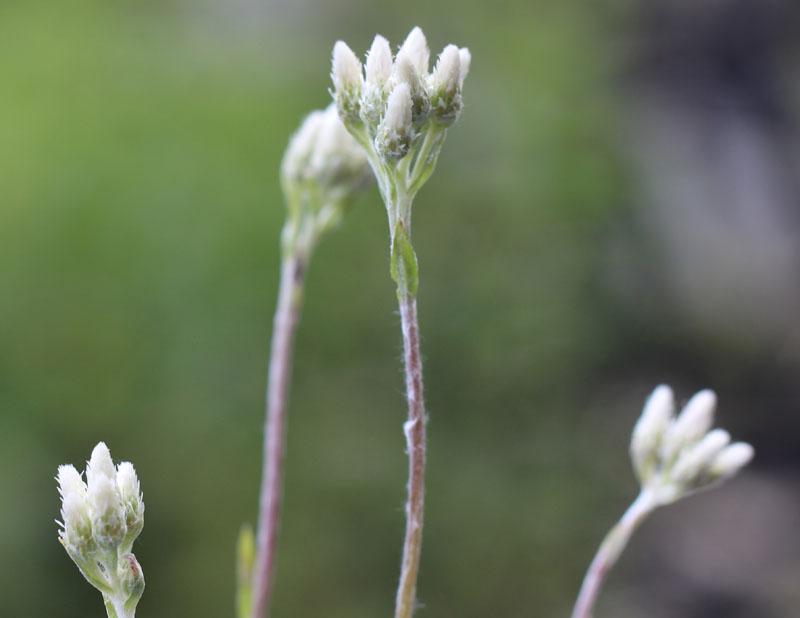
Antennaria howellii, Howell's Pussytoes: A very cute and rare groundcover for dry areas and slopes, this species has blue-grey foliage, adorable white flowers, and is also a host plant to the American Painted Lady butterfly.
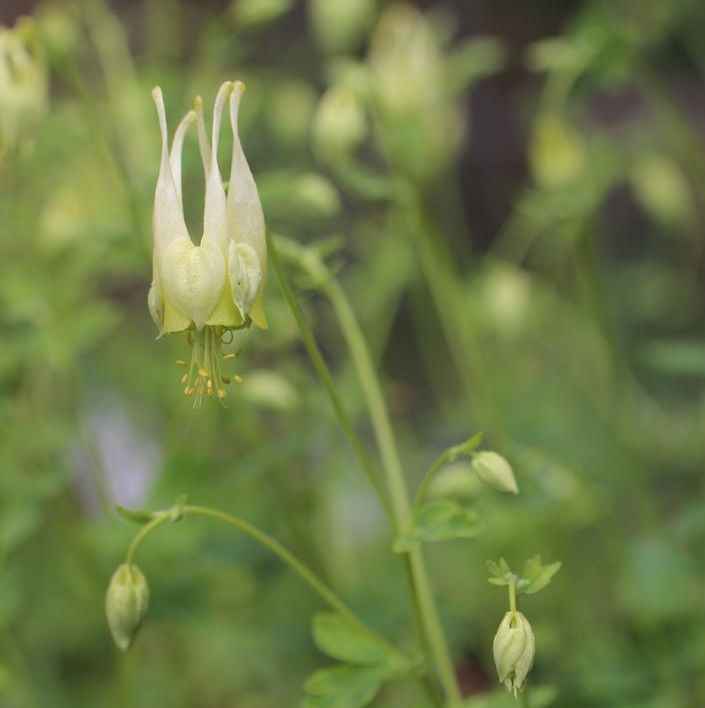
Aquilegia canadensis 'Corbett', Golden Eastern Columbine: A smaller natural variant of our native red Wild Eastern Columbine, this drought tolerant and easy to grow species has showy foliage and dainty golden flowers in the spring.
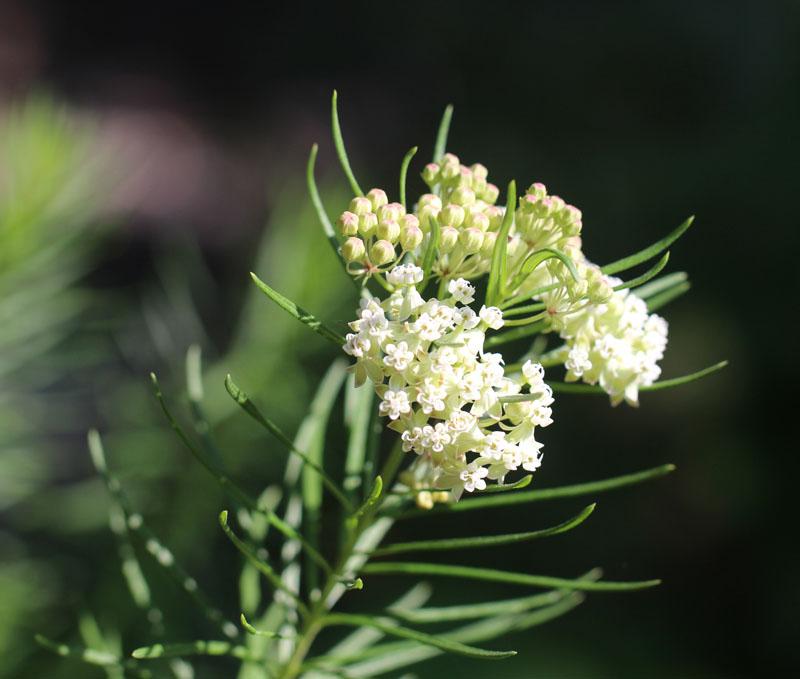
Asclepias verticillata, Whorled Milkweed: A showy, deer-resistant tree with excellent fall color and large edible fruits (oddly similar to bananas with a hint of strawberry, they can be made into bread, pies, ice cream, or eaten straight as a sort of custard), this species tends to form groves in high-quality woodlands, and is a host plant to the Zebra Swallowtail butterfly.

Baptisia australis var. australis, Blue False Indigo: A remarkably beautiful and formal-looking plant with gorgeous purple flowers and blueish foliage. A particular favorite of emerging queen bumblebees in the spring!
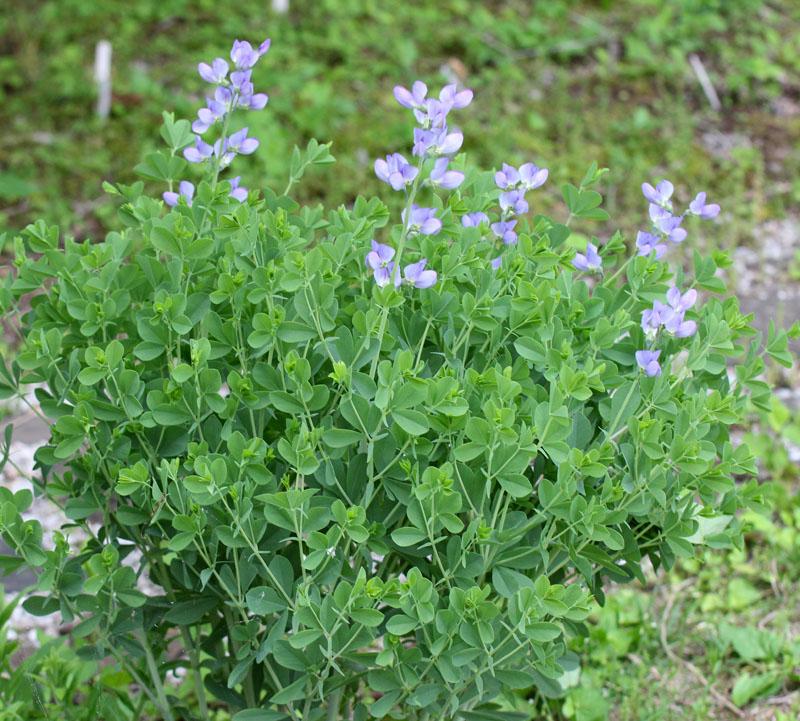
Baptisia australis var. minor, Dwarf Blue False Indigo: A naturally occurring shorter, more compact form of Blue False Indigo! Both forms tolerate drought, poor, shallow, or rocky soil, clay, and erosion.
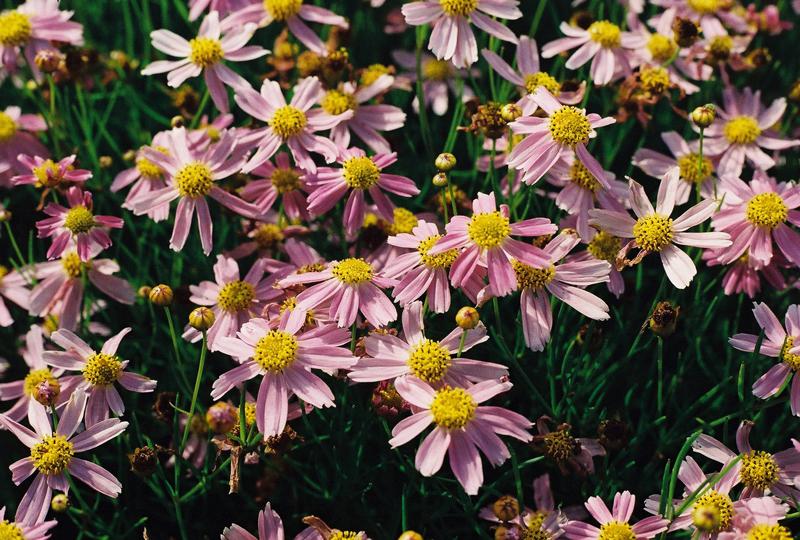
Coreopsis rosea, Rose Coreopsis: A beautiful fine-leaved species with many, many showy pink flowers in the late summer to early fall.
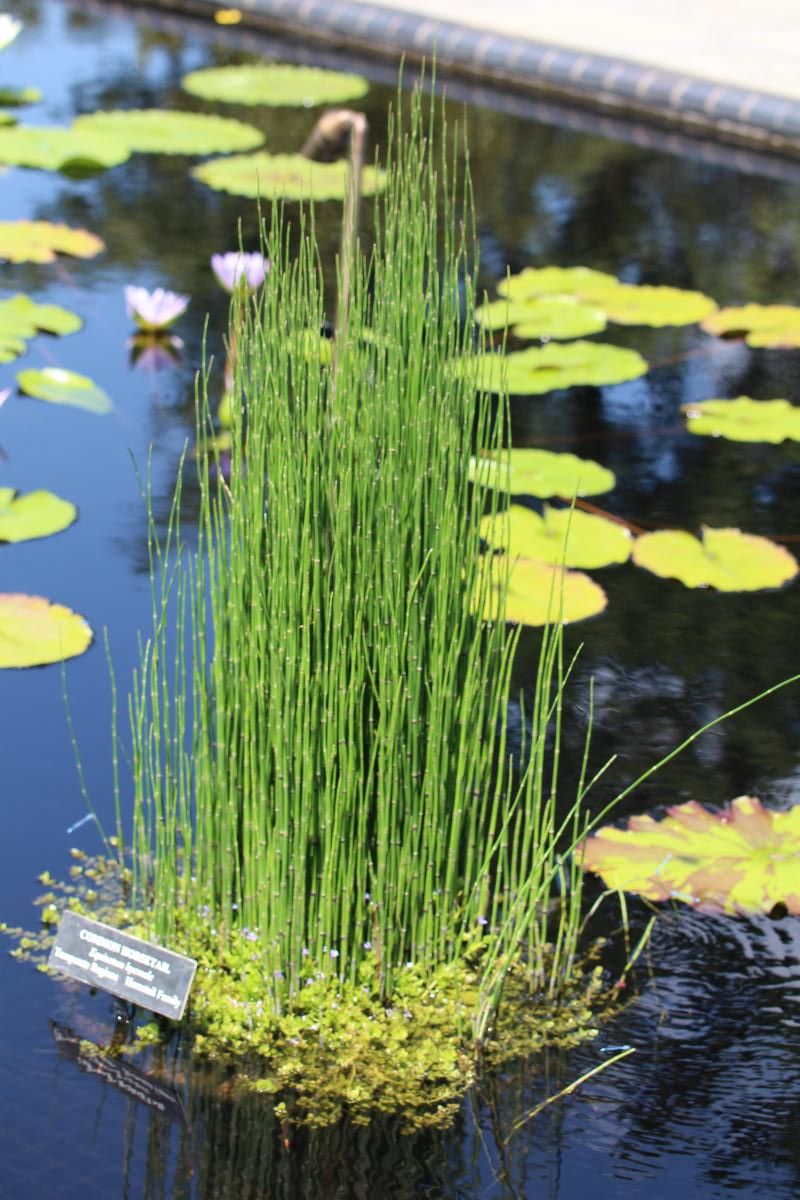
Equisetum hyemale var. affine, Scouring Rush:/a>: This ancient and unique-looking species grows along waterways and is tolerant of sandy soil and occasional flooding. The common name comes from this plant's historical use in scouring floors due to the stiff ridges on the hollow stem.
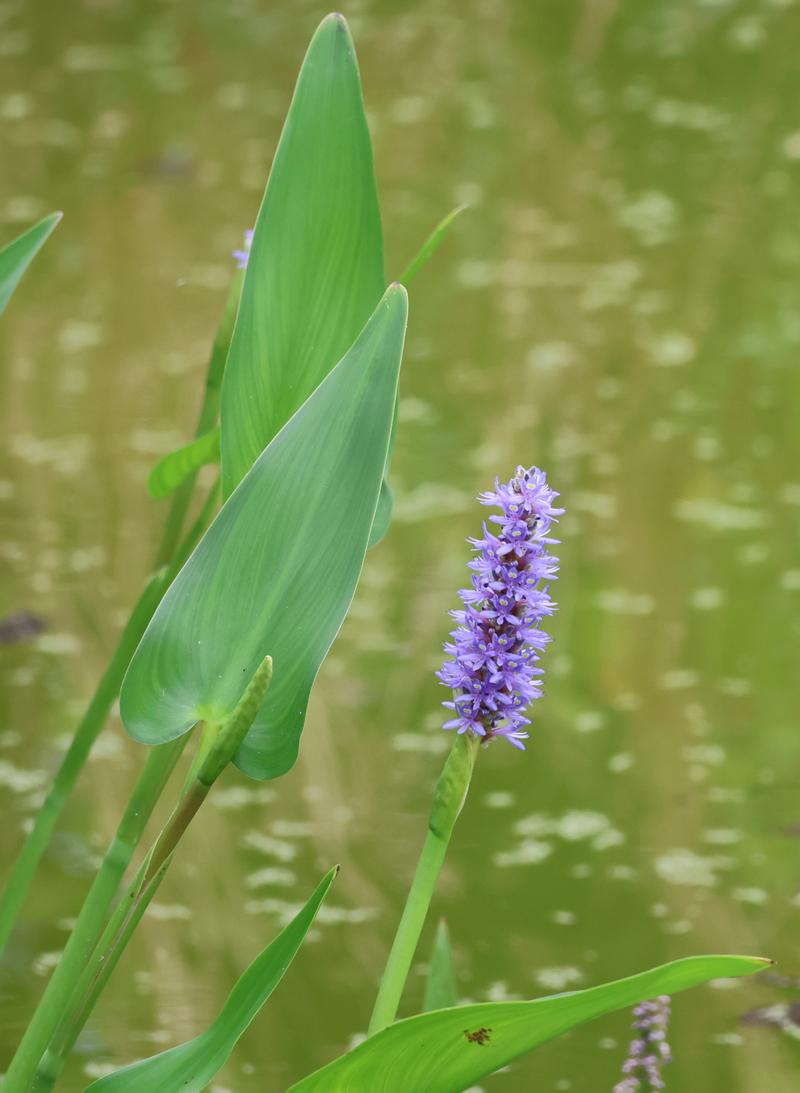
Pontedaria cordata, Pickerel Weed: Incredibly popular with bees, this aquatic species creates excellent habitat for frogs, turtles, fish, aquatic insects, and the aquatic life stages of insects like damselflies and dragonflies! A long-blooming plant with showy purple flowers, this is easily one of our favorite water plants.
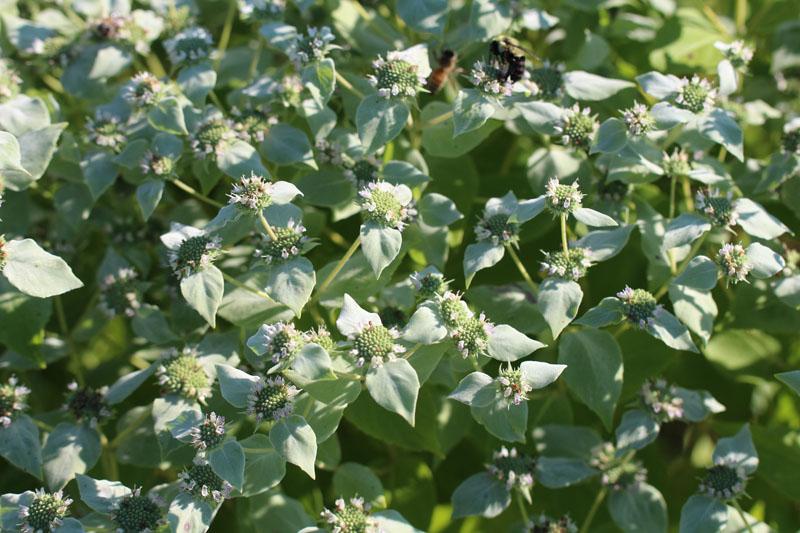
Pycnanthemum muticum, Big Leaf Mountain Mint: Named the 2025 perennial plant of the year by the Perennial Plant Association, this one's a big hit with pollinators, and also has wonderfully showy, fragrant minty foliage that can be used in cooking and teas!
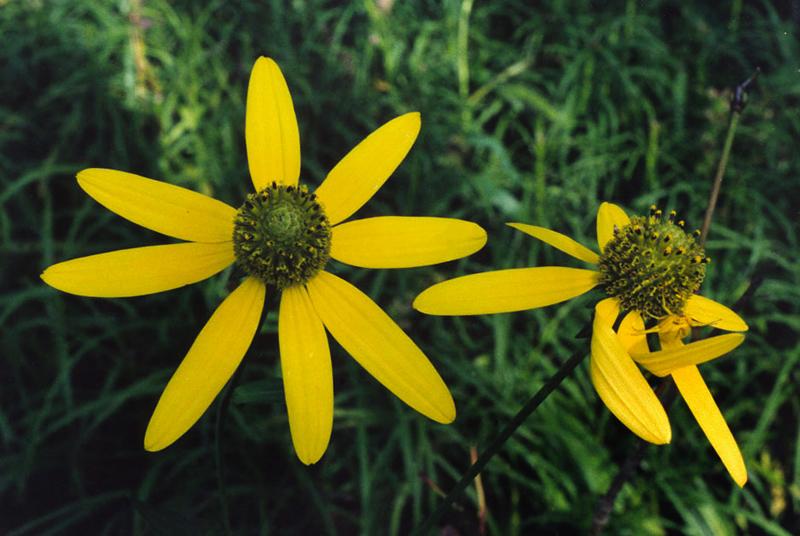
Rudbeckia laciniata, Cutleaf Coneflower: A tall meadow species with bright yellow daisy-like flowers, this species is a particular favorite of bumblebees and has also been prized as a food plant throughout history.
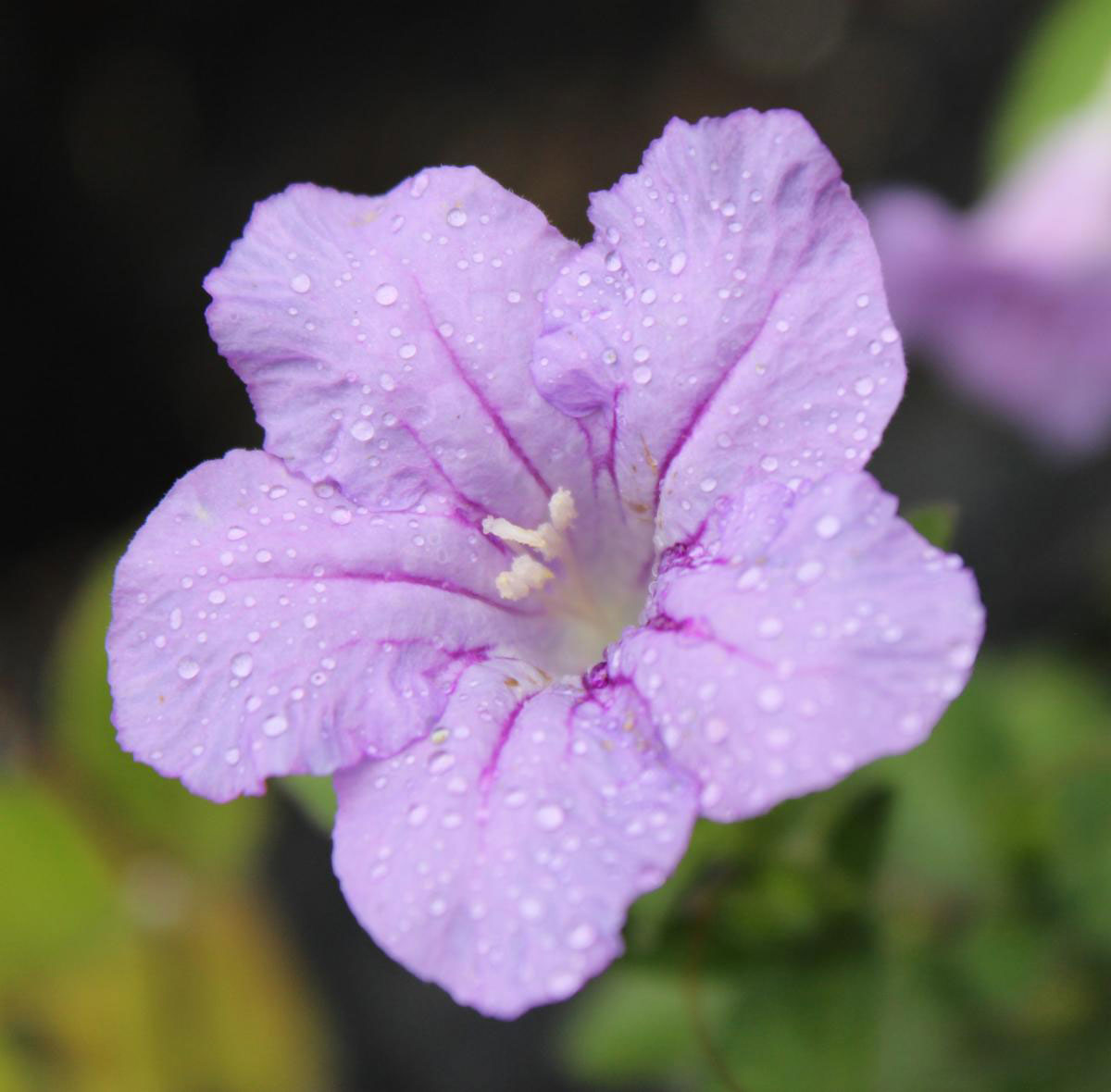
Ruellia humilis, Wild Hairy Petunia: Fuzzy leaves in a low-growing mass, scattered with large lilac-colored, trumpet-shaped flowers all summer long, this species is great for planting along walls and garden borders.
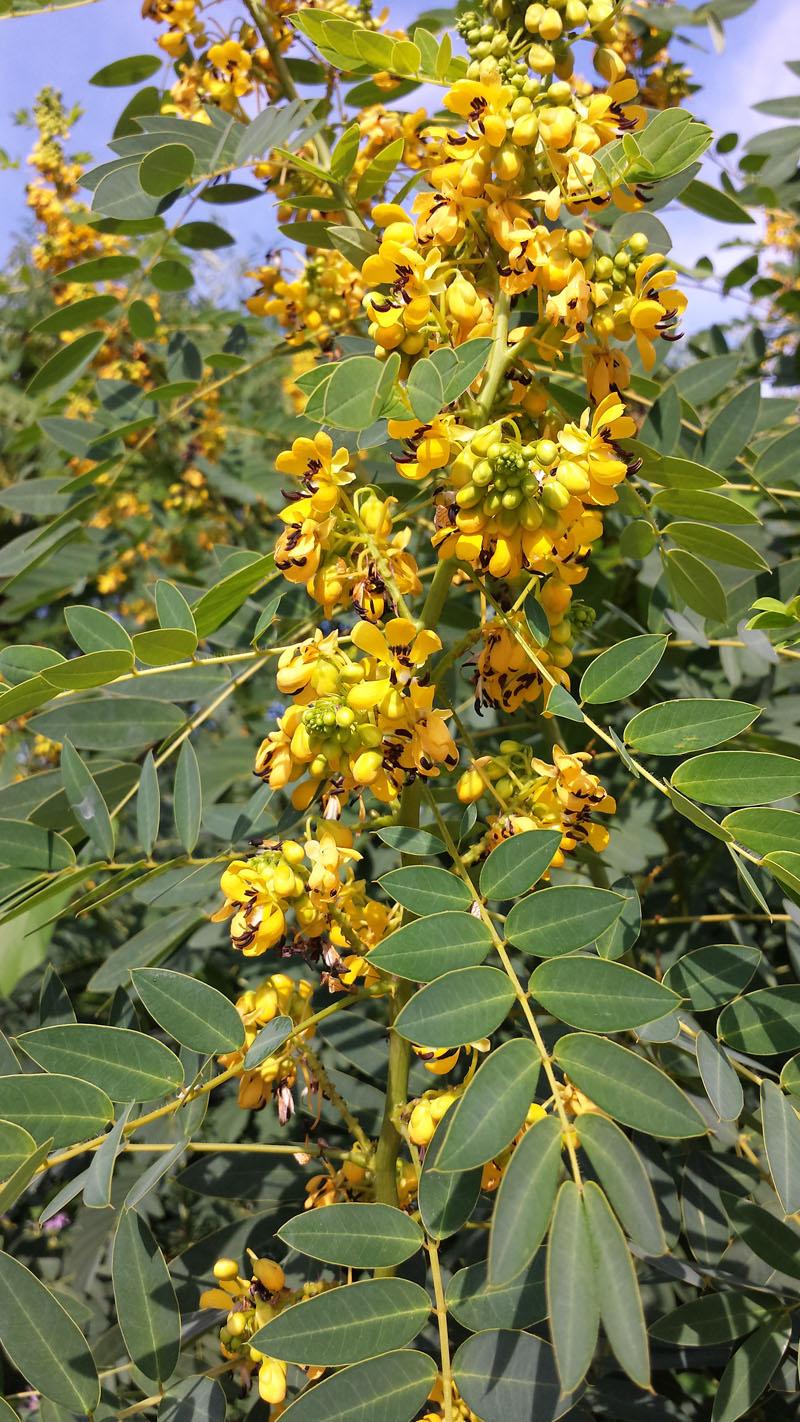
Senna marilandica, Maryland Senna: A fun, upright plant with a riotous cluster of yellow flowers from July-August, this species is nitrogen-fixing, beloved by bees, and very drought resistant, making it an excellent plant to incorporate into meadows, rain gardens, and pollinator gardens.
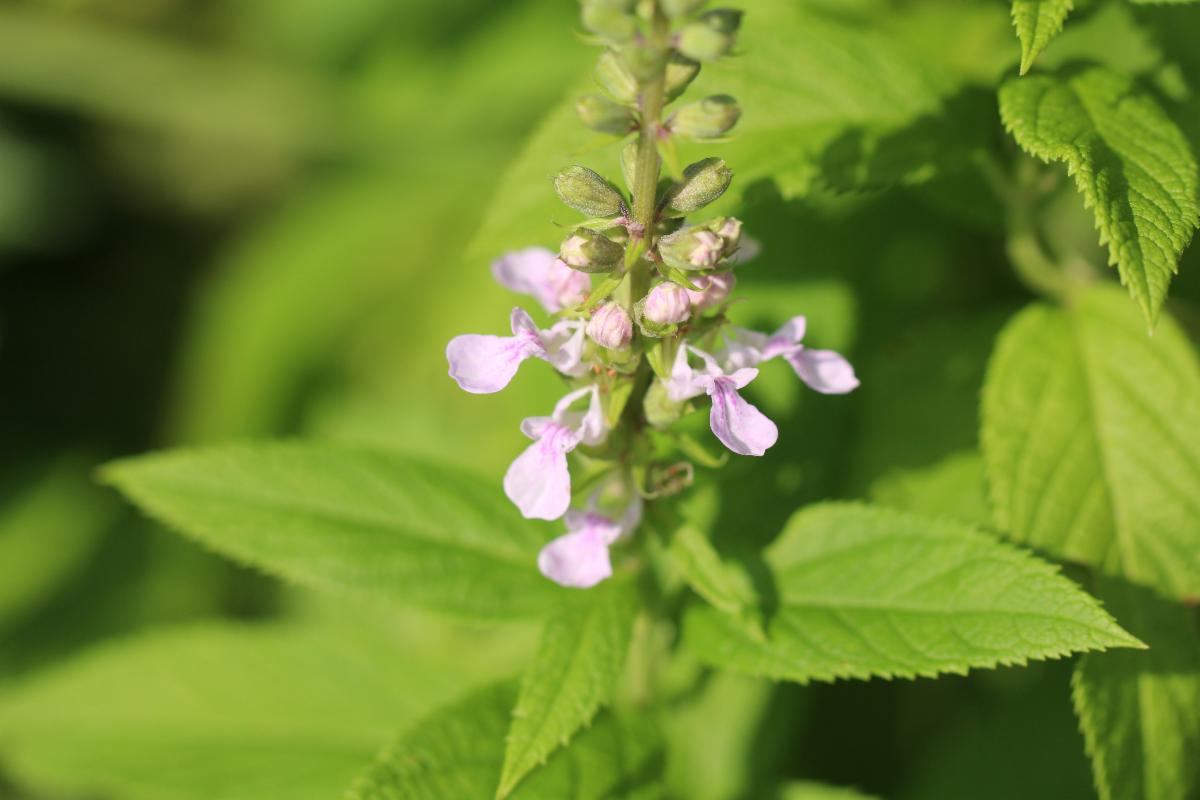
Teucrium canadense, Canada Germander: A beautiful colony-forming plant which crates lovely green masses with spikes of purple/pink flowers above. A favorite of both butterflies and bees.
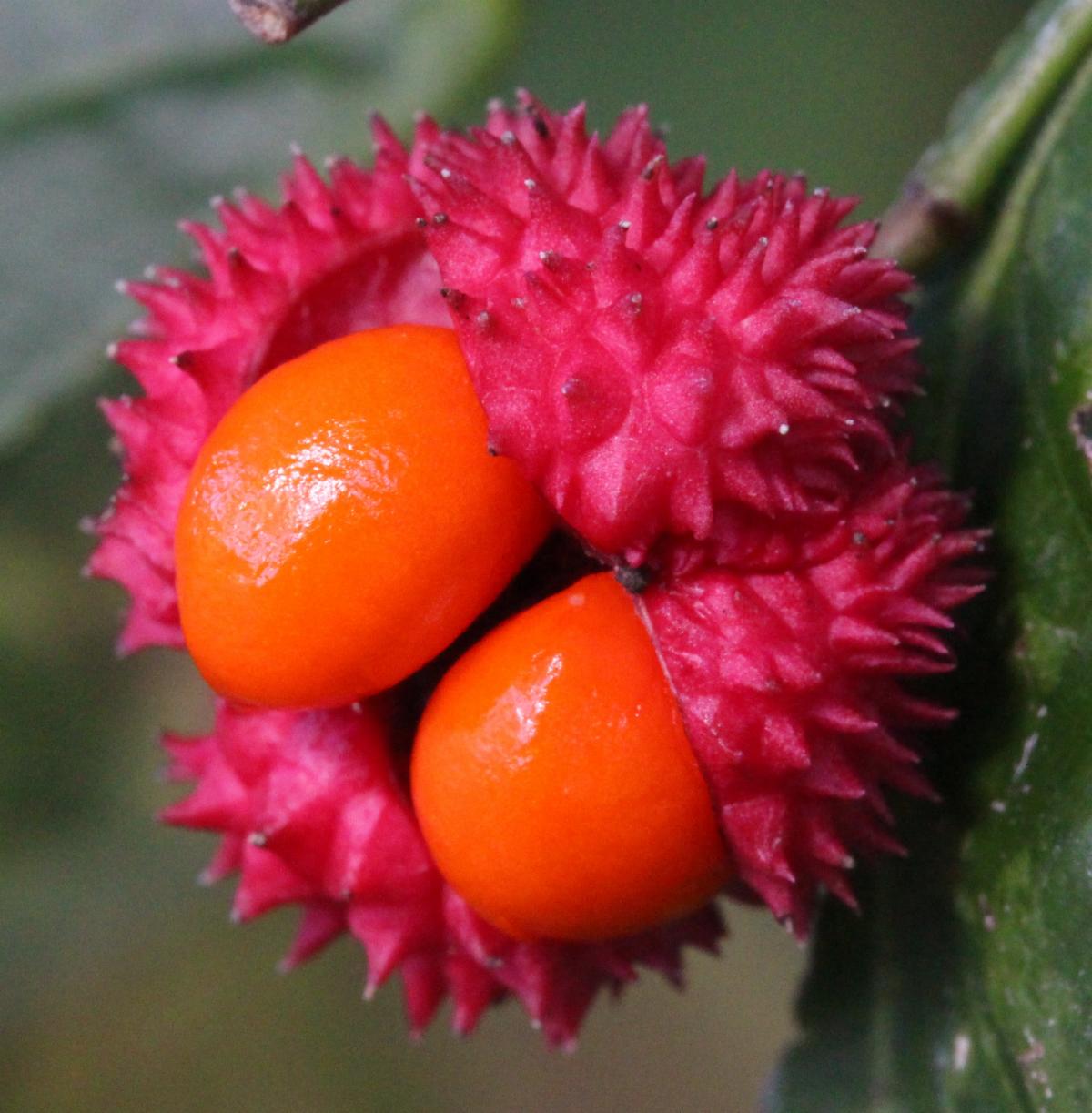
As a side note, there's a misconception out there that native plants don't look weird enough to be interesting. And American Strawberry Bush (Euonymous americanus) would like a word about it.