Autumn Is The Time For Seeds!
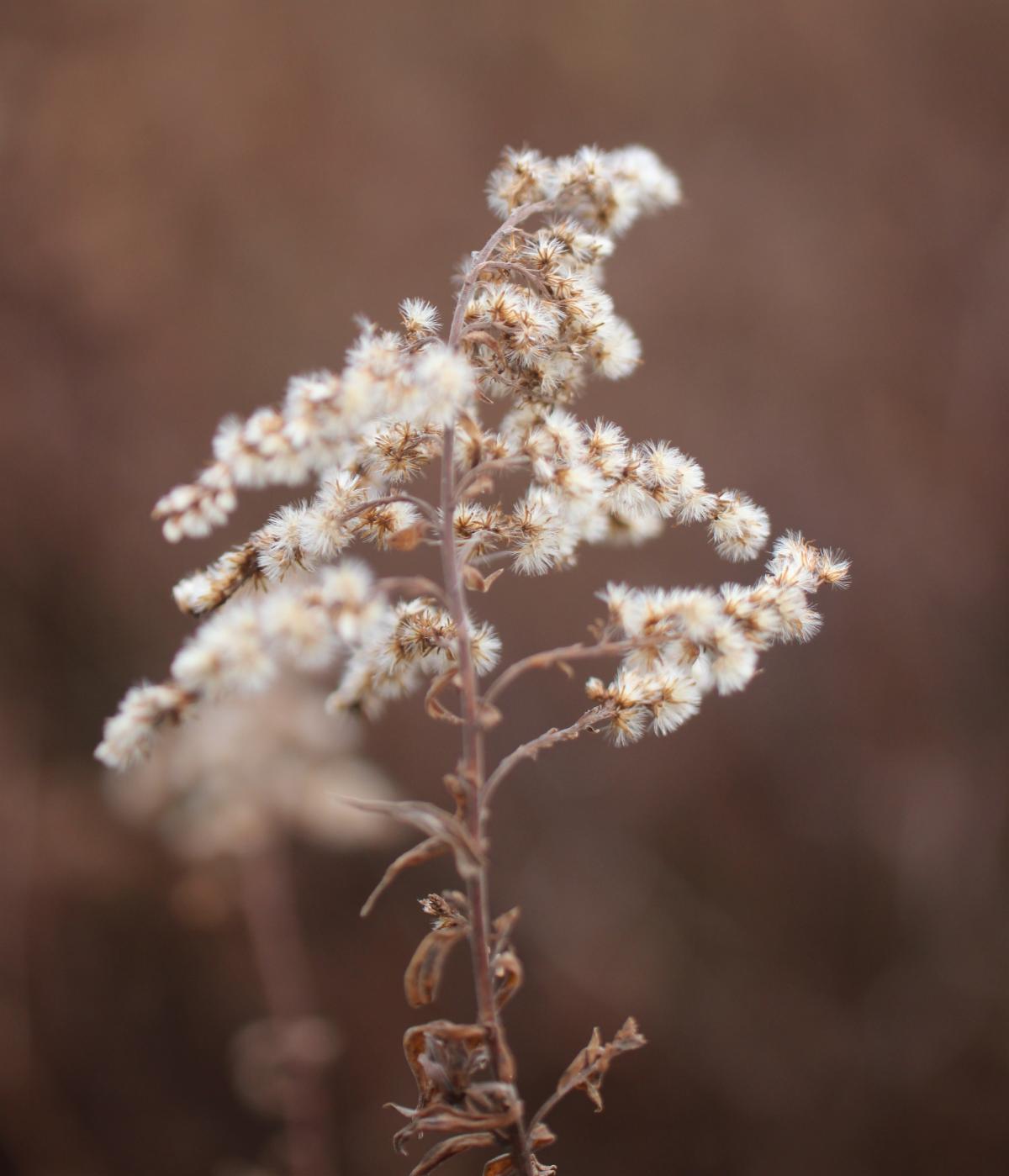
Solidago Late Goldenrod, Solidago altissima
As plant people, we all love the spring and summer, but autumn is so lovely that it's impossible not to love it, too.
What a beautiful fall we've been having! The peak color was wonderful this year, and the air is now getting cooler. Perfect time to be thinking about seeds! As many of you already know, fall is an important time for native plant seeds because many of them require long periods of pre-treatment before they'll grow. For most of them, this pre-treatment takes the form of a period of cool, moist conditions that imitate winter. What better time to do this than, well, over the winter! That means planning next year's seed planting is best started now.
Wildflower Seeds: What Makes Them Special?
Size:
Seed size may seem unimportant, but it can vary wildly between species. The seeds of some native species can measure a full inch across, while other native plant seeds can easily be mistaken for fine dust. Some seeds are meant to be carried to new locations by animals, others are shot out of seed pods, and some blow on the wind. The remarkable variation in shape and size can be quite surprising for people new to planting native species, and your first time planting either very large or very small seeds can be somewhat intimidating! But intimidating doesn't necessarily mean difficult; where native plant seeds are concerned, there are things much more important than what they look like. For example:

Yellow Buckeye, Aesculus flava
Preferred Growing Conditions:
Some seeds require light to germinate, and can't be covered with more than a sprinkling of soil. Others need to be kept moist until they go in the ground. Toadshade grows all of our own plants from the same seeds we sell, so we provide you with the germination instructions for each species that we ourselves follow for starting that species from seed. You can find those instructions on each seed packet and on the specific species pages on our website. Seeds can be finicky. It helps to know you're using tried and true methods on seeds where those methods have been proven to work for that species!
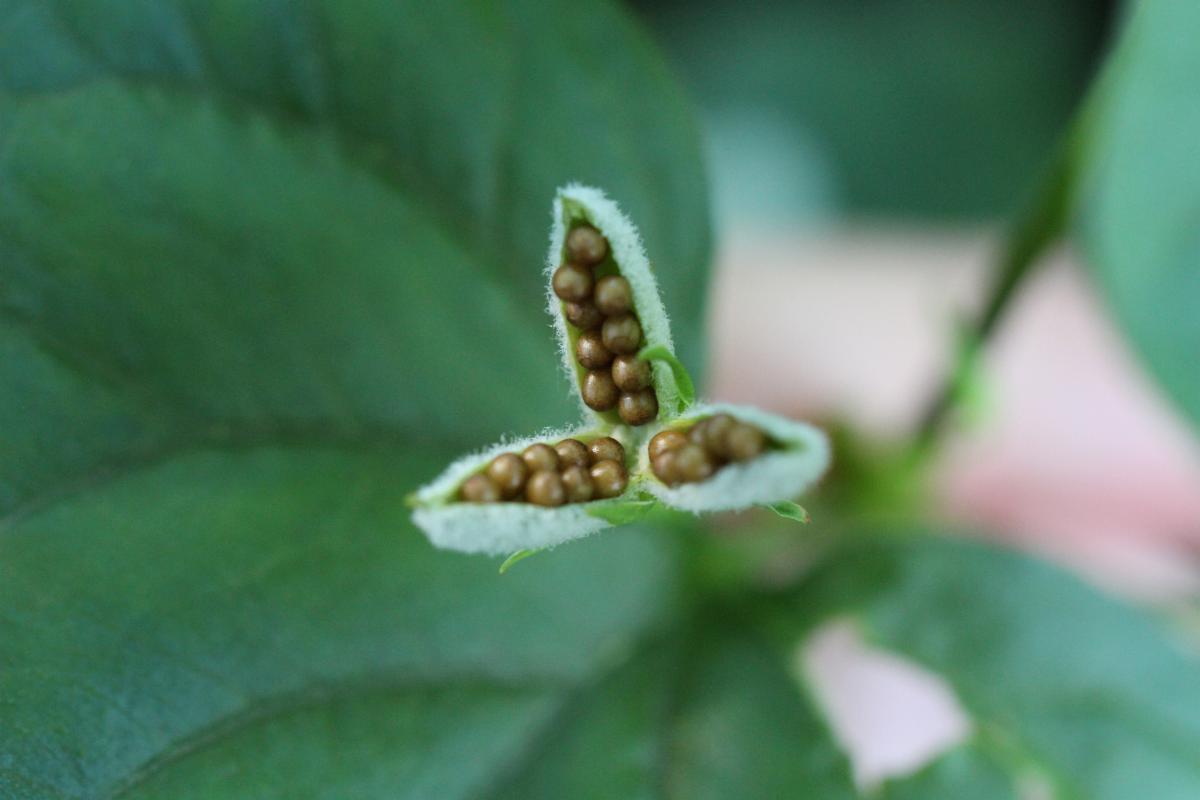
Magenta (aka Red) Violet, Viola sororia f. rubra
Genetic Origin:
Another important (and often overlooked) aspect of growing native plants from seeds is the genetic origin of those seeds. Many species have large native ranges: in fact, some stretch from Florida to Maine (a few even to Washington state!). But despite all being the same species, the individuals of that plant that grow in Florida have adapted over generations to Florida growing conditions. Plant seeds from those Florida individuals in Maine, and they probably won't grow as well as seeds from Maine individuals would there. Most examples aren't quite that dramatic, but it is important to make sure that the genetic origins of plants you're growing are known, and at the very least aren't wildly different from where you're trying to grow them. Toadshade collects all of our seeds ourselves, so all of our seeds are of a Northeast genetic origin (or, for species that are not actually native to the northeast like Purple Coneflower, as close to it as we can manage). Make sure you're checking this when you're buying seeds online; it's not always easy information to track down, and seed production fields are not always in the same location as the companies they're associated with. And for those of you who sometimes ask us "when we'll be getting more seed in" and we answer "when the harvest comes in," this is what we're talking about! We don't order in seed, we collect it ourselves. (Also, if you're one of our friends, in say, Arizona, you may want to seek out a more locally-collected seed source!)

Prickly Pear Cactus, Opuntia humifusa
Seed Quality:
This one is perhaps obvious, but it certainly helps to know that the seeds you're planting are fresh, high quality, and have the best chance of growing for you! Always make sure you're buying seed from reliable sources. We verify the viability of all of our seeds ourselves, but there are a number of ways different companies make sure their seeds are healthy. After all, there's nothing more disappointing than doing everything right and having your seeds fail to come up because they were too old, or were never viable in the first place. By using the same seeds we collect, package, and sell to grow our own plants, we make sure that you're getting the highest quality seeds you can. We never sell anything we aren't planting ourselves!

River-Oats, Chasmanthium latifolium
As a side note, this is also a good time of year to put some last-minute woodies in the ground, like
and any other trees or shrubs you'd like to get a head start on for next year.Hot tip, this is also an excellent time of year for planting
most species of Geums,- Geum aleppicum, Yellow Avens
- Geum canadense, White Avens
- Geum rivale, Purple Avens
- Geum rivale f. virescens, Purple Avens (white form)
- Geum triflorum, Prairie Smoke
- Geum vernum, Spring Avens
- Heuchera americana, American Alumroot
- Heuchera longiflora, Longflower Alumroot
- Heuchera villosa, Hairy Alumroot