It's The Time Of Year For Seeds
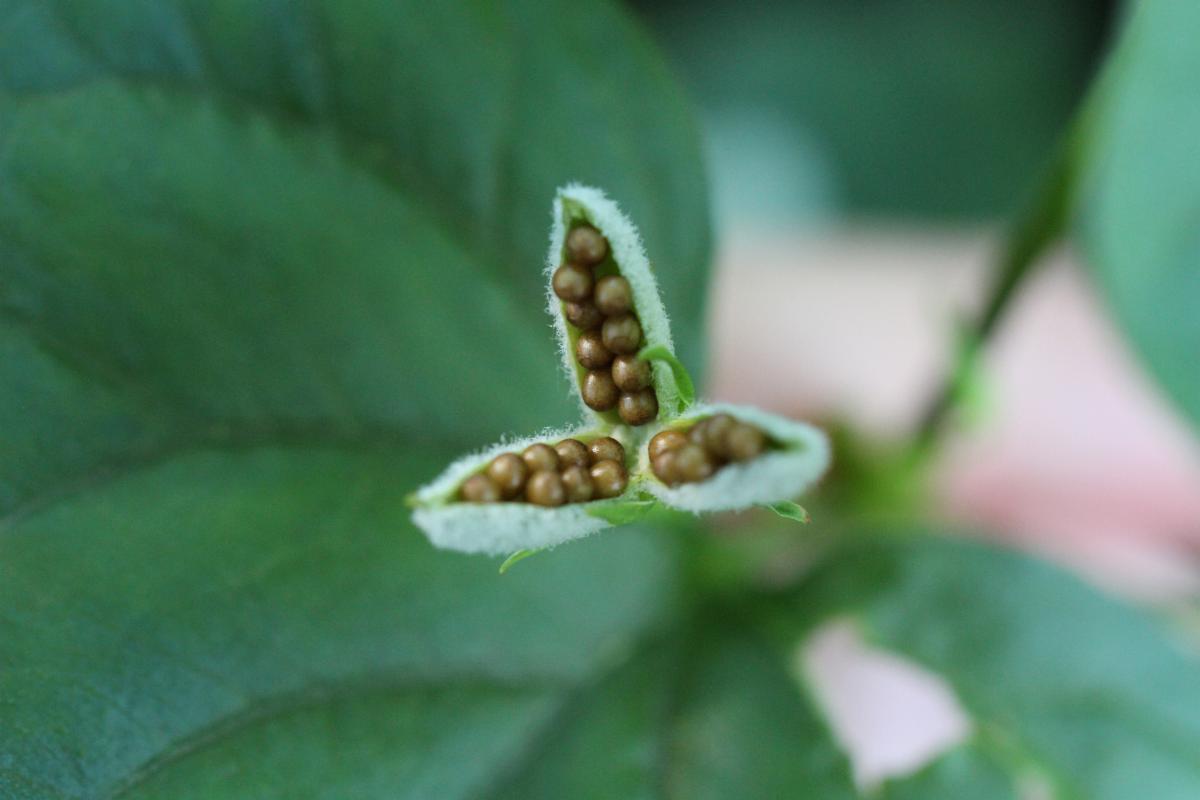
Seed pod of Downy Yellow Violet, Viola pubescens var. scabriuscula
Tonight, we're forecasted to reach record cold temperatures for our area, and we couldn't be more pleased to have that thick blanket of snow out there protecting the ground from such bitterly cold temperatures and dry air. Insects overwintering in leaf duff, perennial plants, and trees alike benefit from this protective layer that keeps the soil surface hydrated and insulated from fluctuating air temperatures and wind. Clearly, just about everything out there has hunkered down to wait out the cold-- so why's this such an important time of year for native plant seeds?
Nature's Schedule, And Why It Works
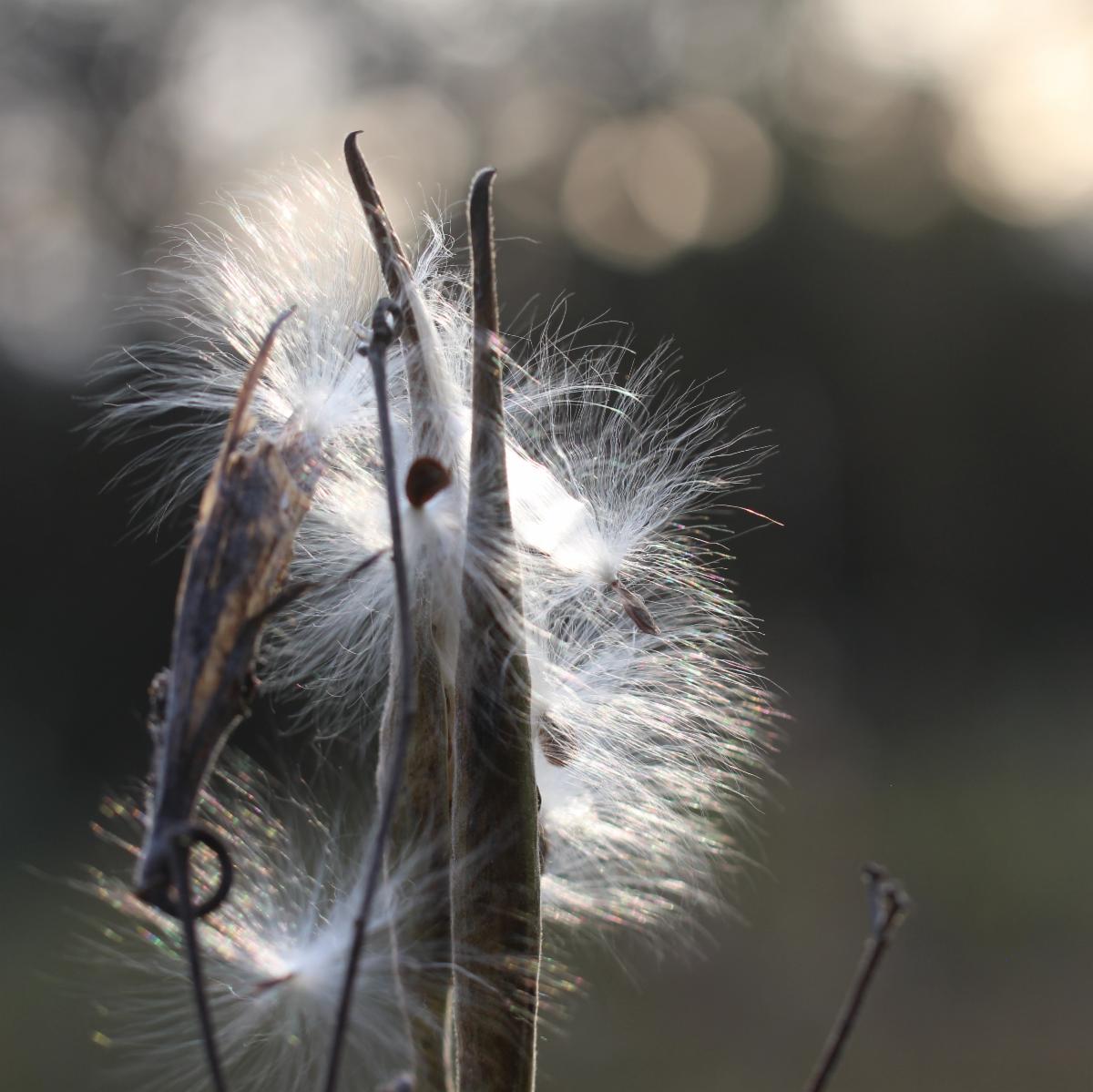
Butterfly Milkweed, Asclepias tuberosa seeds preparing to fly on the wind in the fall
Many, if not most, native wildflowers drop their seeds in the fall, but if you plant native seeds yourself, it's often recommended to do so in the second half of the winter. Ever wonder why that is?
We've talked many times before about cold stratification: how many native wildflower seeds require a period of cool, moist conditions to simulate winter before they will germinate and start to grow. But this time of year, it feels misleading to refer to outdoor conditions as "cool" and "moist," no matter how deep the snow cover is. It's pretty cold and dry out there right now! So what gives?
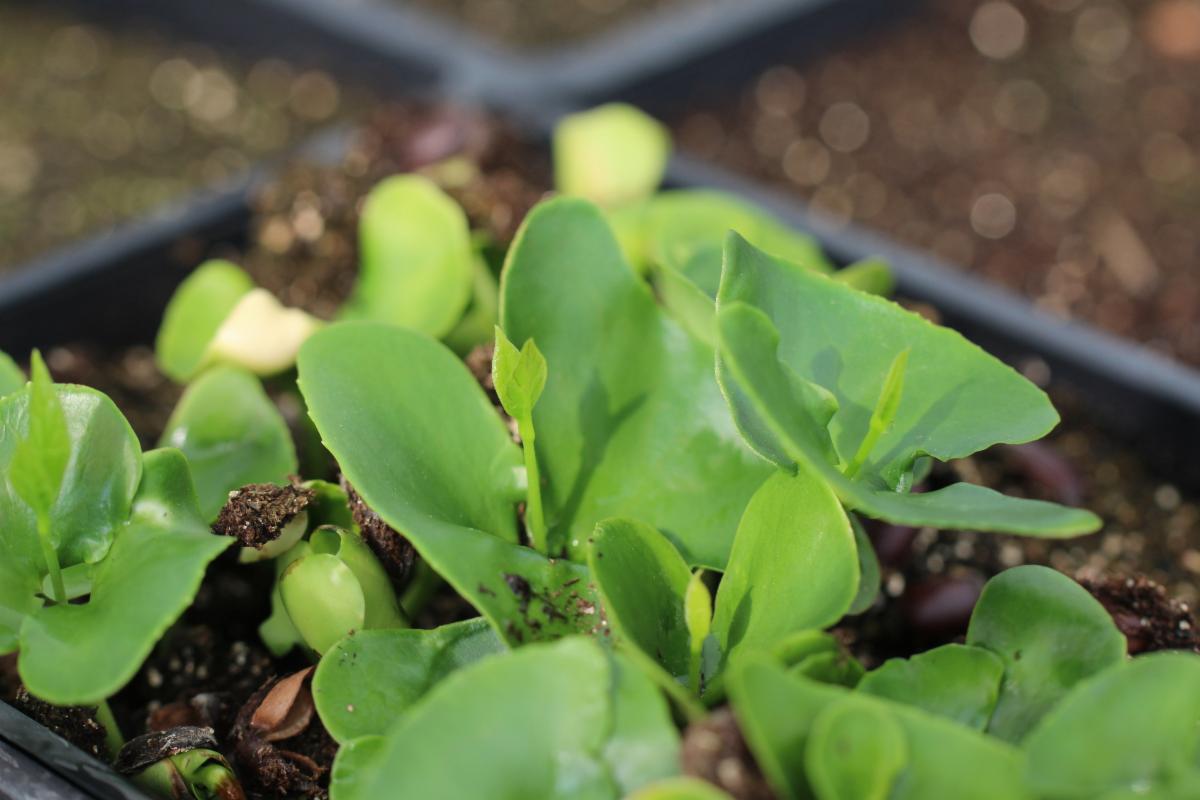
Seedlings of Carolina Allspice, Calycanthus floridus
The fact of the matter is that most cold stratification takes place in late winter/early spring rather than midwinter. A critical factor to remember is that successful cold stratification relies on the temperature of the soil rather than the temperature of the air. This can be somewhat surprising for people to understand: after all, when we talk about what temperature it is outside, we're virtually always referring to air temperature. But the soil stays cold for a long time after winter has passed -- if you've ever gone outside barefoot on an unusually warm day in the spring (even in May!), you'll quickly notice that the soil beneath your feet is still quite chilly, even if the day itself is warm. This dovetails with the other crucial factor of cold stratification: moisture. In the dead of winter, soil isn't moist, per se, it's often frozen. Cold stratification relies on the chilly, moist soil of spring to work. Which makes sense, if you think about it: this process is how wildflower seeds make sure they start growing at the right time of year, so it's the end of winter they're looking for, not the middle! Frozen seeds, whether they are wet or dry, are seeds in stasis. Seeds getting ready to grow are looking for something more promising than just ice!
So How Does The Snow Help?
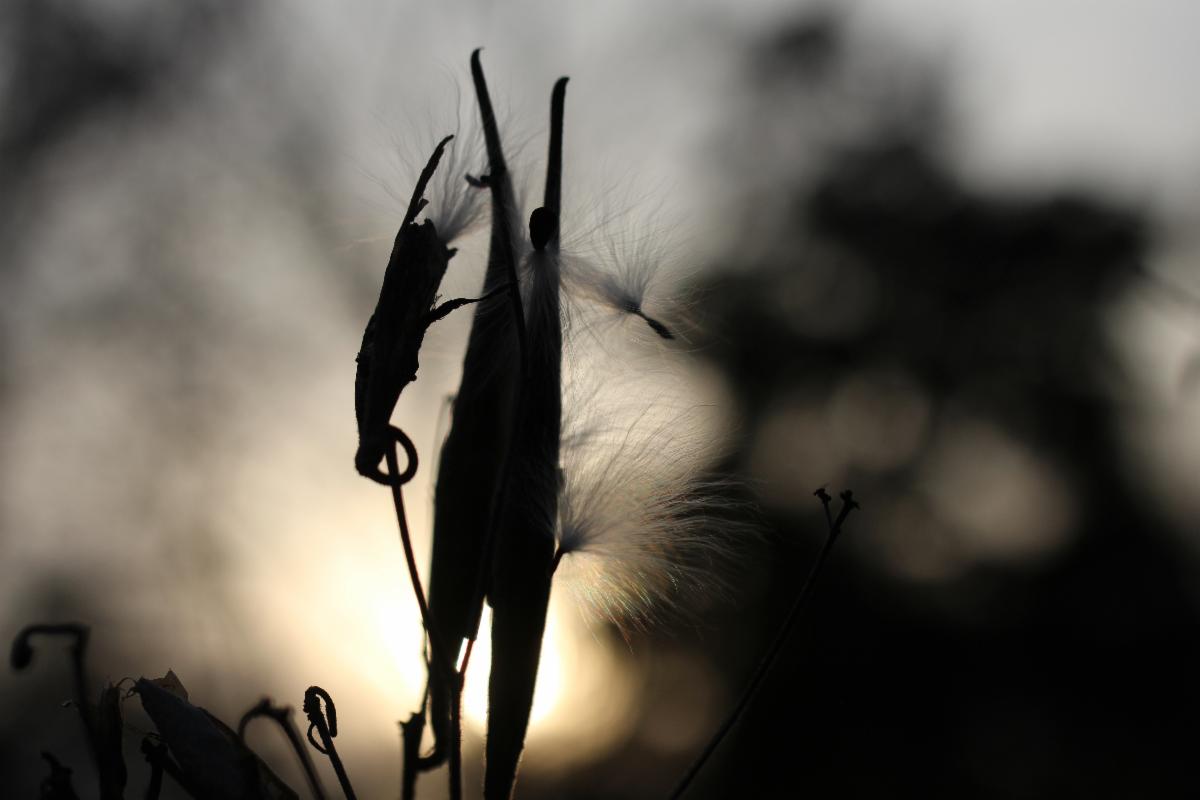
Butterfly Milkweed, Asclepias tuberosa seeds preparing to fly on the wind in the fall
Many of us have birdfeeders in our yards and know just how thorough little birds can be when seeking out seeds on the ground. Snow protects seeds from hungry birds, but it also helps to press seeds into the soil itself, providing good soil contact when the springtime thaw begins, allowing the seeds to take full advantage of that long period of cool, moist soil to successfully cold stratify. On top of that, the melting snow of late winter keeps the soil nice and damp. That's why we often suggest people spread wildflower seed before a snowstorm (if they can), and why (even though outdoor seeds aren't really cold stratifying much yet in these freezing temperatures) this can be such an important time of year for growing plants from seed: snow is a nuisance when you need to shovel your driveway, but in many ways it's an enormous help to plants and insects during the winter. So, if you (like us) are one of those people who's always excited to see snow, you can now justify your love for it to anyone who doesn't think "it's beautiful" is reason enough to celebrate it!
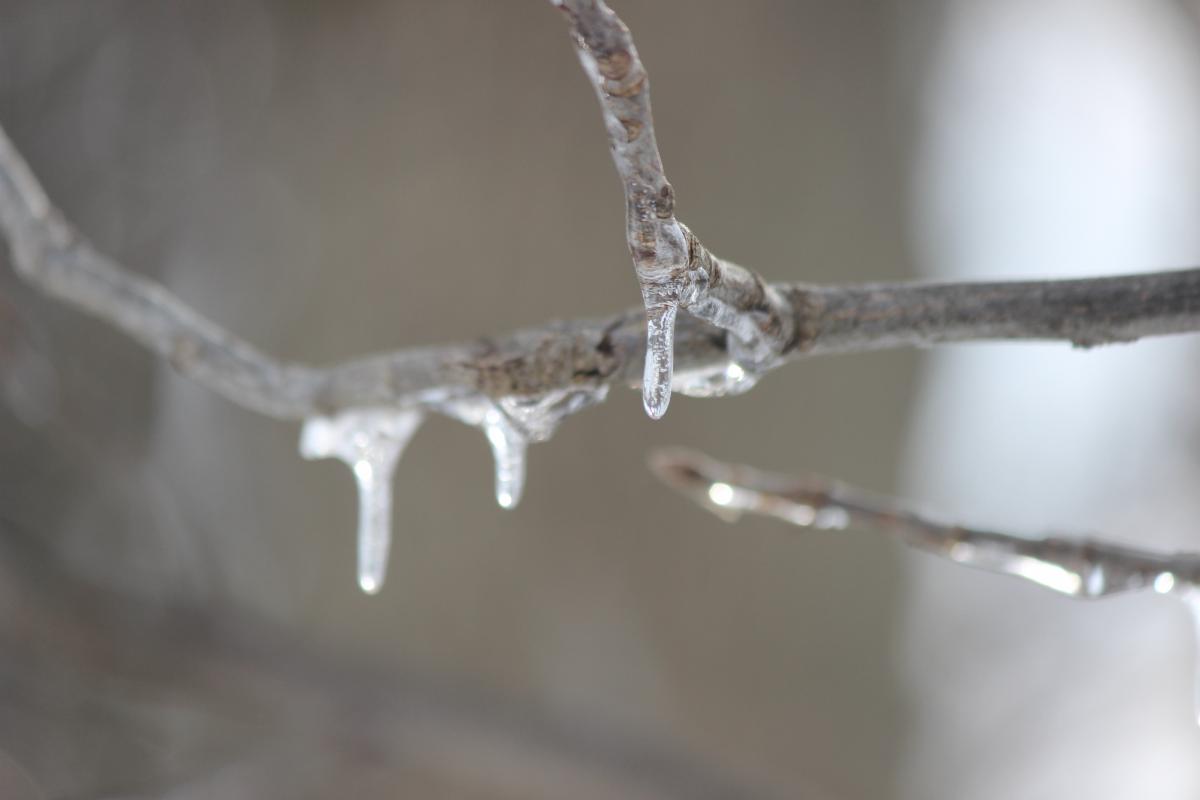
Ice on hickory twigs
If you're curious when the best time for natural (outdoor) cold stratification actually is in your area, there are several tools online to help--because in this day and age, we've all become lovers of data! For ideal cold stratification, the soil temperature is often said to be between 33 and 40 degrees F (conveniently the temperature of your refrigerator!). But the truth of the matter is, for most seeds, cold stratification will continue well above that, to 50 degrees F and beyond, as the soil warms through the spring. You can figure out the soil temperature for your area using some of these tools:
Greencast Online (Soil temperature map with search function and historical data, also with soil moisture data available)
Rutgers Online Maps (Northeast/NJ focused, map with a number of different filters including soil moisture and temperature)
NOAA Soil Temperature Map (Upper-Midwest focused, soil temperature map)
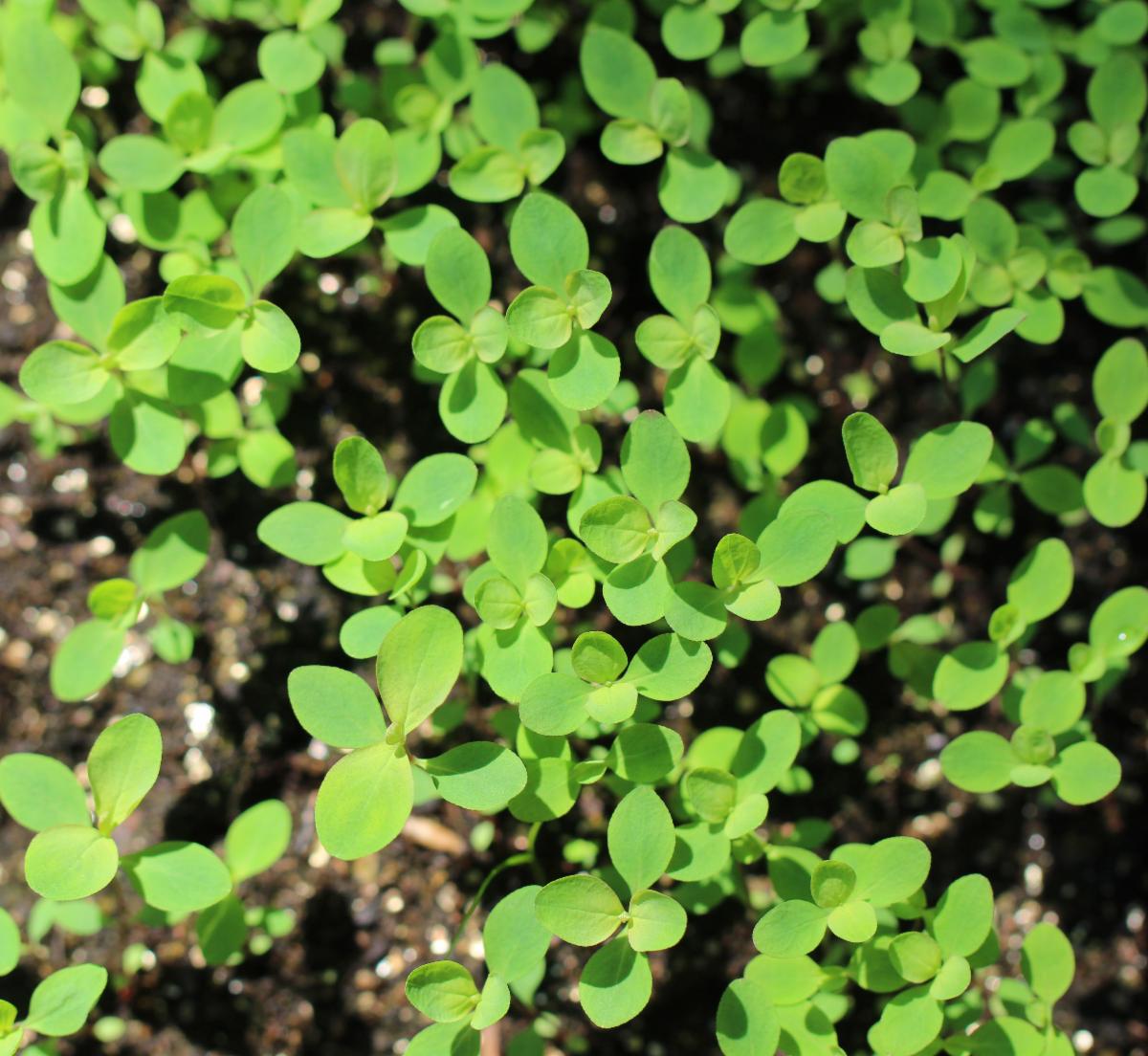
Spotted St. Johnswort, Hypericum punctatum seedlings
Given that our current soil temperature at time of writing is between 27 and 34 degrees F (depending on who you ask), we hope you're all staying nice and warm, and that the snow (while wonderful for plants) hasn't been too difficult to deal with where you are. And don't worry! Spring will be here soon enough...